Mastering Emotions in Trading: A Complete Guide Trading is a psychological game in which emotions are crucial; it’s not just about numbers and charts. I can attest to the fact that knowing and controlling your emotions can have a big impact on your success because I have experienced the highs and lows of trading. The key components of trading emotional control will be covered in this post, along with helpful advice and tactics to improve your performance. Emotions are a natural aspect of the human experience & have a significant influence on trading decisions.
Key Takeaways
- Emotions play a crucial role in trading and can significantly impact decision-making and performance.
- Recognizing emotional triggers, such as fear and greed, is essential for maintaining emotional balance while trading.
- Developing emotional regulation techniques, such as deep breathing and positive self-talk, can help traders manage their emotions effectively.
- Utilizing mindfulness and meditation can aid in improving emotional management and maintaining focus during trading activities.
- Creating a supportive trading environment, seeking professional help, and implementing emotional management strategies are vital for long-term success in trading.
I soon discovered that my emotional state could cause me to make rash decisions when I first started trading, which frequently led to losses. The two main emotions that traders commonly experience are fear and greed. While greed can drive someone to take excessive risks, which frequently result in large losses, fear can cause hesitation, which can lead to missed opportunities. Take, for example, a situation in which a trader witnesses a sharp increase in the price of a stock.
Fear of missing out (FOMO) may cause them to make large investments without doing adequate research because of the excitement. On the other hand, if the market declines, they might become immobilized by fear and be unable to act quickly to reduce losses. The first step to developing into a more disciplined trader is realizing that emotions can impair judgment. Recognizing Emotional Triggers’ Effects.
Because of this anxiety, I frequently made snap decisions like giving up on my trading strategy or overtrading in an attempt to recoup losses. Determine Emotional Triggers by Reflecting on Yourself. Maintain a trading journal to identify your emotional triggers. Keep track of your trades & your feelings at the moment of each choice. Patterns will eventually show up, exposing particular circumstances that evoke intense feelings.
Creating Emotion Management Techniques. For instance, you may experience increased anxiety when dealing with severe financial pressure or when trading erratic stocks. You can create more effective coping mechanisms for your emotions by identifying these triggers. Following the identification of your emotional triggers, the next stage is to learn how to control those feelings. Making a detailed trading plan that details your entry and exit tactics, risk management guidelines, and profit objectives is one efficient way.
An organized plan can give trading a sense of structure & lessen trading anxiety. I also discovered that taking breaks during trading sessions allowed me to keep my emotions in check. When I take a break from the screen, I can reevaluate my approach and clear my head without being influenced by the latest market swings. In addition to lowering stress, this practice helps me view my trades more objectively.
Practicing self-talk is another method. Negative feelings can be offset with positive affirmations. For example, reminding myself that failures are a necessary part of learning has made it easier for me to keep a more positive outlook when things get tough. Two effective strategies for controlling emotions in trading are mindfulness and meditation.
In addition to promoting present-moment awareness, these techniques can lessen stress & anxiety. Upon implementing mindfulness into my daily routine, I observed a notable enhancement in my capacity to maintain composure amidst turbulent market circumstances. Make time for meditation every day to cultivate mindfulness. Pay attention to your breathing & objectively examine your thoughts. This technique helps you become more emotionally detached, which enables you to respond to trading situations instead of acting on impulse. You can also incorporate mindfulness into your trading practice.
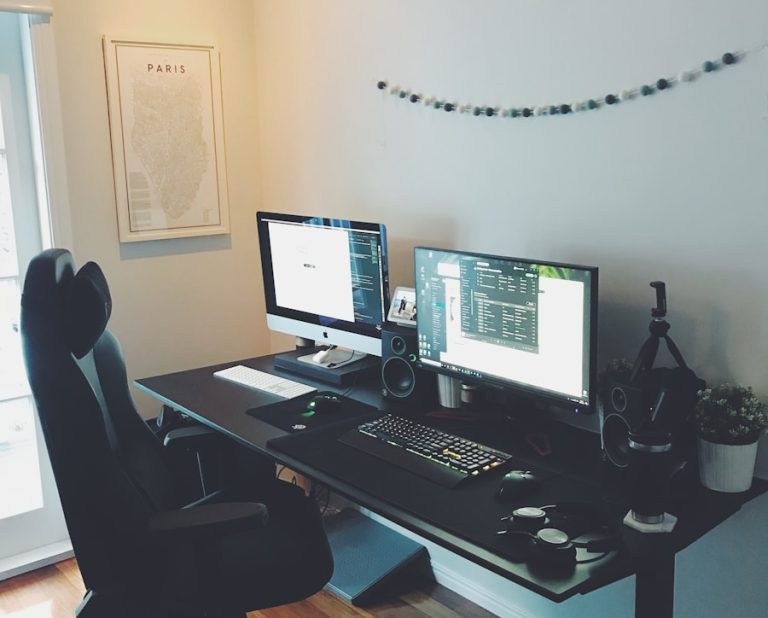
Before you trade, take a moment to center yourself and take a deep breath. This small action can lessen the possibility of making rash decisions by assisting you in approaching your trades with poise and clarity. Your emotional state can be greatly impacted by the trading environment. An untidy or disorganized workstation can cause more stress and distraction. I’ve discovered that setting up a specific trading area that is orderly & distraction-free improves my emotional stability & concentration.
Think about adding components to your trading space that encourage focus and serenity. Ample lighting, cozy seating, or even soothing images like artwork or plants could be examples of this. Surrounding oneself with encouraging people, whether via local trading groups or internet forums, can also offer accountability and motivation. Interacting with people who have similar objectives can also lessen the sense of loneliness that frequently accompanies trading.
In addition to creating a sense of community, exchanging tactics and experiences with other traders can offer insightful advice on how to effectively control emotions. Despite our best efforts, we occasionally may find it difficult to control our emotions when trading. In these situations, it may be helpful to seek professional assistance. A performance psychology-focused coach or therapist can offer customized techniques to deal with emotional difficulties unique to trading. My trading decisions were adversely affected by cognitive distortions, which are irrational thought patterns that I was able to identify with the assistance of a performance coach.
By using cognitive-behavioral methods, I was able to change the way I think about risks and losses and adopt more positive outlooks. Also, trading psychology-focused workshops or support groups can provide insightful information from seasoned traders who have encountered comparable difficulties. When you ask for assistance, it shows that you are strong and dedicated to enhancing your trading performance. Growth requires that you regularly assess how emotions affect your trading performance.
After every trading session, pause to consider how your feelings affected your choices. Did excitement push you into a trade without giving it enough thought, or did fear push you out of a position too soon? By looking at your trades through an emotional lens, you can spot trends that might be impeding your success.
It might be time to add more emotional regulation strategies or modify your trading schedule to reduce stressors, for instance, if you find that you frequently make bad choices when under a lot of stress. Analyzing your performance over time can also show relationships between results and emotional states. This data-driven approach enables you to make well-informed changes to your tactics and reaffirms how crucial emotional control is to long-term success.
In the end, developing emotional control techniques is essential to long-term trading success. Developing the mental toughness required to handle the market’s unavoidable ups and downs is just as important as having a sound trading strategy. Begin by incorporating the methods covered in this article into your everyday activities. A solid basis for emotional resilience can be established by maintaining a well-organized trading environment, practicing mindfulness consistently, & routinely assessing your emotional triggers. Do not forget that managing emotions is a continuous process that calls for patience and dedication. Your capacity to control your emotions will improve not only your trading performance but also your general well-being as a trader as you continue to hone your tactics and gain more self-awareness.
For those who are serious about becoming successful in trading, it is imperative that they learn to control their emotions. You will set yourself up for long-term success in the fast-paced world of trading by comprehending the role of emotions, identifying triggers, learning regulation techniques, applying mindfulness practices, fostering supportive environments, getting professional assistance when necessary, assessing performance impacts, and using successful strategies consistently.
FAQs
What is the psychological aspect of trading?
The psychological aspect of trading refers to the impact of emotions, thoughts, and behaviors on a trader’s decision-making process. It involves managing emotions such as fear, greed, and overconfidence, as well as maintaining discipline and mental resilience.
Why is managing emotions important in trading?
Managing emotions is important in trading because it can significantly impact a trader’s decision-making process and overall performance. Emotions such as fear and greed can lead to impulsive and irrational decisions, while overconfidence can result in excessive risk-taking.
What are some common emotions that traders experience?
Some common emotions that traders experience include fear, greed, anxiety, frustration, and overconfidence. These emotions can influence a trader’s decision-making process and potentially lead to poor trading outcomes.
How can traders manage their emotions while trading?
Traders can manage their emotions while trading by developing self-awareness, practicing mindfulness, maintaining discipline, and implementing risk management strategies. It is also important for traders to have a well-defined trading plan and to stick to it, regardless of their emotional state.
What are the potential consequences of not managing emotions in trading?
The potential consequences of not managing emotions in trading include making impulsive and irrational decisions, experiencing significant financial losses, and developing a negative psychological impact such as stress, anxiety, and burnout. Additionally, it can lead to a lack of confidence in one’s trading abilities.